
Pet First Aid Essentials: Being Emergency-Ready at Home
Pet First Aid Essentials: Being Emergency-Ready at Home
When your pet is suddenly injured or showing signs of illness, every second counts. As a caring pet owner in Georgetown, you want to be ready to help your companion until professional veterinary care is available. Understanding pet first aid essentials and emergency preparedness for pets can give you peace of mind and may even make a difference in the outcome of an urgent situation. At VetCheck Pet Urgent Care Center - Georgetown, located at 5731 Williams Drive Suite B105, Georgetown, TX 78633, our veterinary professionals see firsthand how a prepared owner can help stabilize pets before they arrive for care. In this guide, we will discuss what to keep in your pet’s first aid kit, how to recognize urgent symptoms, and when it is time to visit an emergency vet near you. Remember, walk-ins are always welcome and no appointment is needed at our urgent care facility; we are here when your regular vet is closed or you need immediate help. If you are looking for more information about signs that require urgent attention, our emergency veterinary care page offers guidance and details on our services in Georgetown and surrounding communities.
Recognizing the Need for Pet First Aid: Warning Signs and Symptoms
Every pet owner hopes their animal companion will never face a crisis, but emergencies can occur without warning. Knowing when to use your pet first aid essentials is just as important as having them ready. Key symptoms that may signal a need for immediate action include sudden difficulty breathing, severe bleeding that does not stop with gentle pressure, inability to stand or sudden collapse, frequent vomiting or diarrhea, and exposure to toxins or poisons. Additional warning signs are pale gums, visible wounds, ongoing seizures, or any situation where your pet appears to be in significant pain or distress.
It is also important to recognize less obvious symptoms that may require urgent care, such as persistent coughing, labored breathing, or sudden swelling. For example, in the warmer months common to Georgetown, pets may be at risk for heatstroke; signs include excessive panting, drooling, weakness, or vomiting. Even something as simple as a swollen paw from a bee sting can quickly escalate if your pet develops an allergic reaction. If your pet is suddenly limping, has a swollen face, or is scratching at their ears or eyes, it is wise to monitor closely and consider seeking help if symptoms worsen. Being alert to these signs allows you to act swiftly, whether that means administering first aid or heading straight to the urgent care vet near you.
Why Emergencies Happen: Common Causes and Risk Factors
Understanding why emergencies happen helps you anticipate and prevent some of the most common crises. Pets in Georgetown and surrounding communities can encounter a variety of hazards. Dogs and cats are naturally curious, which sometimes leads them into trouble. Ingestion of household toxins, foreign objects, or foods that are dangerous to pets is a frequent cause of urgent visits. For those living in Texas, outdoor risks such as snake bites, insect stings, and encounters with wildlife are especially relevant during the warmer seasons. Additionally, sudden injuries from falls, car accidents, or scuffles with other animals can occur when you least expect it.
Underlying health conditions may also put pets at higher risk. For example, older pets with heart or kidney disease are more likely to experience sudden health crises. Overheating during outdoor play is a serious risk in the Texas heat, and short-nosed breeds are particularly vulnerable to respiratory distress. Even regular activities like walks or playtime can result in sprains, broken nails, or wounds. Awareness of these risks, along with emergency preparedness for pets, helps you respond more effectively when accidents happen.
Managing Pet Emergencies: First Aid Essentials and Immediate Steps
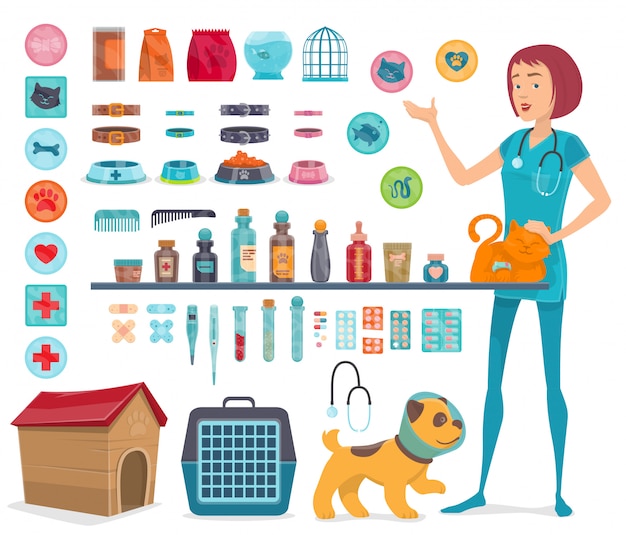
When an emergency strikes, having pet first aid essentials on hand can help you stabilize your pet until you reach professional care. A well-stocked kit for your pet should include items such as clean gauze for wrapping wounds or controlling bleeding, non-stick bandages, adhesive tape, antiseptic wipes, tweezers for removing splinters or ticks, a digital thermometer, and blunt-ended scissors. Saline solution is helpful for flushing eyes or wounds, while a muzzle may be necessary for safely handling a frightened or injured pet. Additionally, keeping an extra leash, identification information, and emergency contact numbers in your kit is wise.
If your pet is bleeding, apply gentle pressure with clean gauze and try to keep the affected area elevated. For choking, carefully check your pet’s mouth for visible obstructions, but never put your hand in a pet’s mouth if you risk being bitten. In cases of poisoning or toxin ingestion, remove your pet from the source and consult a professional immediately. For more information on what to do if your pet is exposed to a toxic substance, visit our toxicology and pet poison control page or consider calling the Pet Poison Helpline.
If your pet is experiencing heatstroke, move them to a cool area, offer small amounts of water, and use a damp cloth to gently cool their body while you arrange for transport to the nearest urgent care vet. Remember that while first aid can help stabilize your pet, it is not a substitute for professional veterinary care. If you are ever unsure about the severity of your pet’s condition, it is always safest to seek immediate help.
Prevention and At-Home Safety: Reducing Emergency Risks
While emergencies may not always be avoidable, there are many steps you can take to reduce your pet’s risk at home. Regularly inspect your living spaces for potential hazards such as loose wires, accessible medications, or toxic plants. Store cleaning supplies and human food out of reach, and use childproof latches if necessary. Ensure that fences and gates are secure to prevent escapes, especially if your pet is prone to wandering.
Routine wellness care also plays a key role in prevention. Regular wellness exams and preventive care help catch underlying health issues before they become emergencies. Keeping your pet up-to-date with vaccinations and parasite prevention makes a significant difference in their long-term health. In addition to preventive veterinary care in Georgetown, having an emergency plan is crucial. Identify the location of the nearest urgent care vet, keep a list of emergency contacts handy, and make sure all family members know where the pet first aid kit is stored.
Practicing basic first aid skills can also be invaluable. Familiarize yourself with how to apply bandages, safely transport an injured pet, and perform pet CPR. These skills, combined with a well-stocked first aid kit, can help you act swiftly in a crisis.
When to Seek Immediate Veterinary Care: Knowing Your Limits
It is essential to know when home care is not enough and immediate professional attention is required. If your pet is unresponsive, struggling to breathe, bleeding heavily, seizing, or showing signs of severe pain, do not wait. Immediate veterinary care is needed in these scenarios. Additionally, if your pet has ingested a potentially toxic substance, suffered a traumatic injury, or is experiencing repeated vomiting or diarrhea, prompt evaluation is critical.
Some situations may seem less urgent but still warrant a visit to an urgent care vet near you. These include sudden changes in behavior, ongoing limping, swelling, eye injuries, or difficulty urinating. If you are ever uncertain, it is always better to err on the side of caution and seek professional guidance. At VetCheck Pet Urgent Care Center - Georgetown, walk-ins are always welcome and you do not need an appointment. We are available during evenings, weekends, and holidays when your regular veterinarian may not be open.
For pet owners seeking reassurance or additional information, our veterinary professionals are happy to answer questions and guide you through the next steps. Do not hesitate to contact us; your pet’s safety is our priority.
Conclusion: Be Prepared, Stay Calm, and Know Where to Turn
Being prepared with pet first aid essentials and a clear plan for emergency preparedness for pets can make a world of difference when the unexpected happens. By recognizing warning signs, understanding common risks, and knowing how to use basic first aid, you can help your companion stay safe until veterinary professionals take over. Remember, emergencies do not always happen during regular business hours, which is why our urgent care veterinary team at VetCheck Pet Urgent Care Center - Georgetown is here for you and your pets in Georgetown and surrounding communities.
If you are ever faced with a pet emergency, do not hesitate to visit our emergency veterinary care facility—no appointment is needed and walk-ins are always welcome. For ongoing protection, consider scheduling a wellness exam to keep your pet healthy and identify potential issues early. If you need immediate assistance, call (512) 220-2469 or visit us at 5731 Williams Drive Suite B105, Georgetown, TX 78633. For those searching online for an emergency vet near me or urgent care vet near me, know that our doors are open to support you and your pets in every urgent situation. Stay prepared, stay calm, and trust that help is close by in Georgetown when you need it most.


